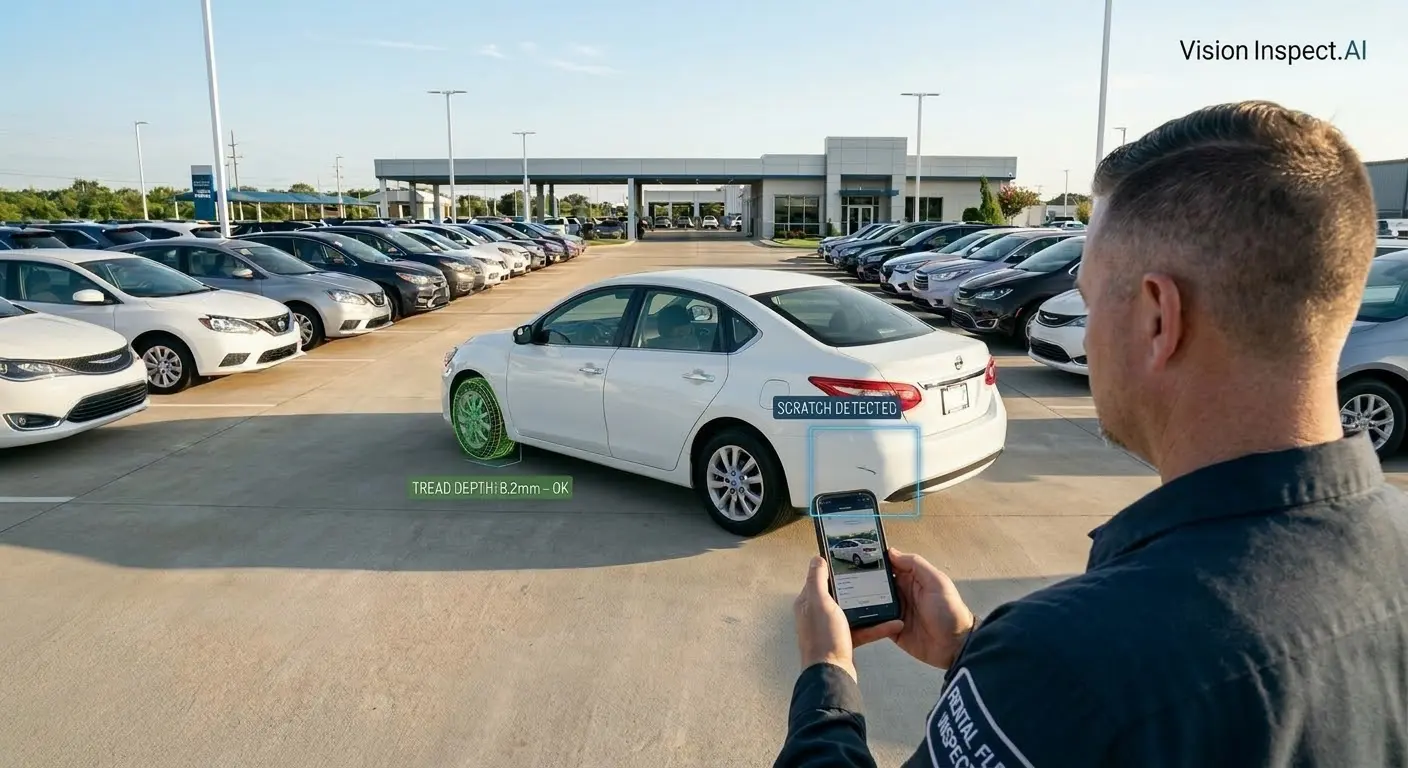
The End of the Clipboard: Why Manual Walk-Arounds Bleed Capital
Human eyesight and paper documentation remain the weakest link in fleet operations, bleeding capital through …
Upload your images, annotate directly in the browser, and launch state-of-the-art models on managed cloud infrastructure. From automated defect detection to site safety, we handle the backend so you can focus on results.
No machine learning degree required. Our platform is designed to make training world-class models as simple as clicking a button.
Upload your dataset and use our lightning-fast, built-in annotation tools to label objects, defects, or features directly in your browser.
Train state-of-the-art models (like YOLO and RT-DETR) on powerful cloud GPUs effortlessly. We manage the complex infrastructure so you can focus on results.
Test your model instantly in our playground, export the raw weights to run on edge devices, or integrate it into your app via our secure REST API.
Explore our active modalities and view the roadmap for upcoming capabilities.
Traces the exact, organic outline of an object at the pixel level to allow for precise area and volume measurements.
Scans images to quickly locate specific features, draw bounding boxes, and count multiple distinct items.
Evaluates an entire image to apply high-level labels without isolating specific spatial locations. Perfect for rapid triage.
Predicts mathematical heatmaps to locate predefined structural landmarks and single-pixel nodes on an object.
An unsupervised model that learns the mathematical baseline of "normal" from pristine images and flags unexpected deviations.
Applies memory to object detection, using velocity algorithms to maintain persistent IDs as objects move across video frames.
Analyzes shadows, focus, and camera parallax to translate 2D inputs into physical volume and real-world spatial distances.
Uses diffusion models and GANs to mathematically synthesize photorealistic training examples of incredibly rare defects.
Pre-processing networks designed purely to denoise, sharpen, and fix lighting on garbage inputs before primary inspection.
Updates, tutorials, and computer vision news from our team.
Human eyesight and paper documentation remain the weakest link in fleet operations, bleeding capital through …
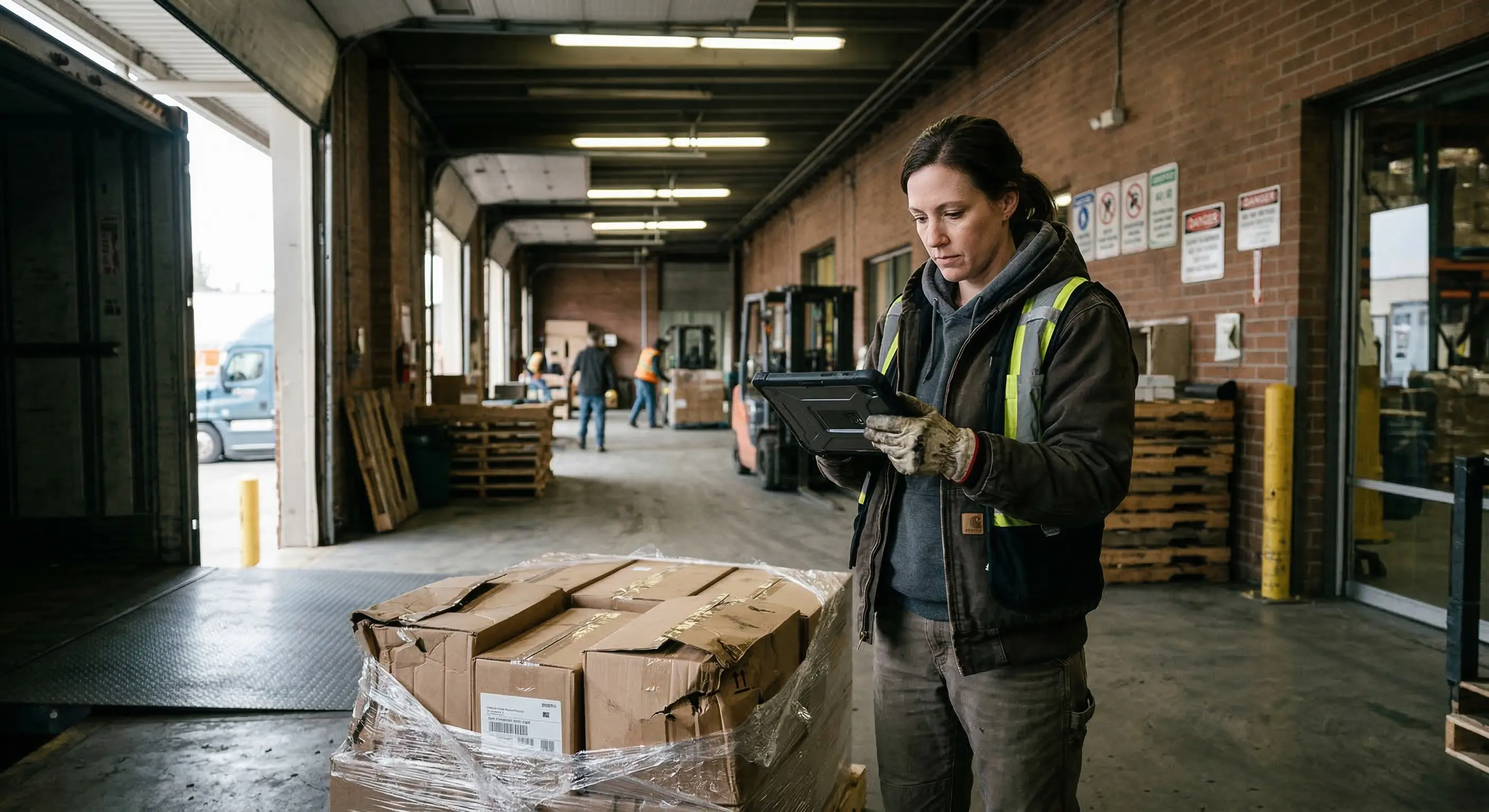
A barcode scan confirms delivery, but it conceals the truth about crushed corners or shattered …
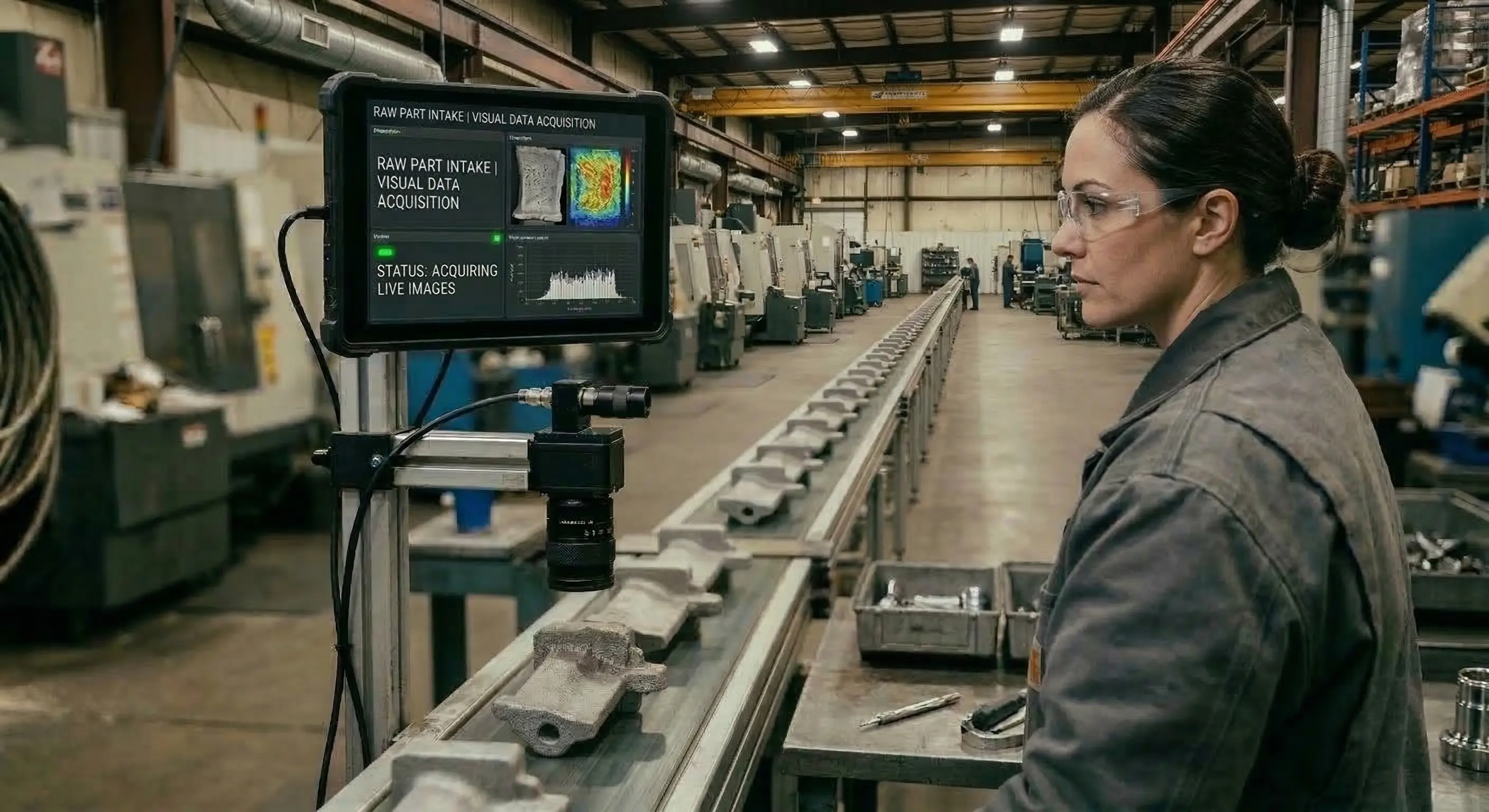
Quality assurance fails when operators treat inspection as a final filter rather than a predictive …